top of page


What is SkinLab
SKINLab is an all-in-one AI-powered solution that offers dermatologist-approved skin assessments and personalized skincare recommendations, helping users feel more confident in their purchasing decisions while reducing product return rate.
Design Goal
Reduce the time it takes for customers to choose the right products.
Decrease e-commerce beauty products return rate.
My role
UX Research: User interviews, market research, secondary research, usability testings.
UXUI Design: Wireframes, user flows, prototyping.
Project Type
UXUI Design Case Study
Design System
Time Length
May 2022 - Dec 2022
Tools
Figma
Photoshop
Illustrator
Miro
Amid the saturated beauty e-commerce landscape and rising product return rates, how might we provide trustworthy guidance to alleviate decision fatigue and help customers navigate uncertainty about their needs?
SKINLab
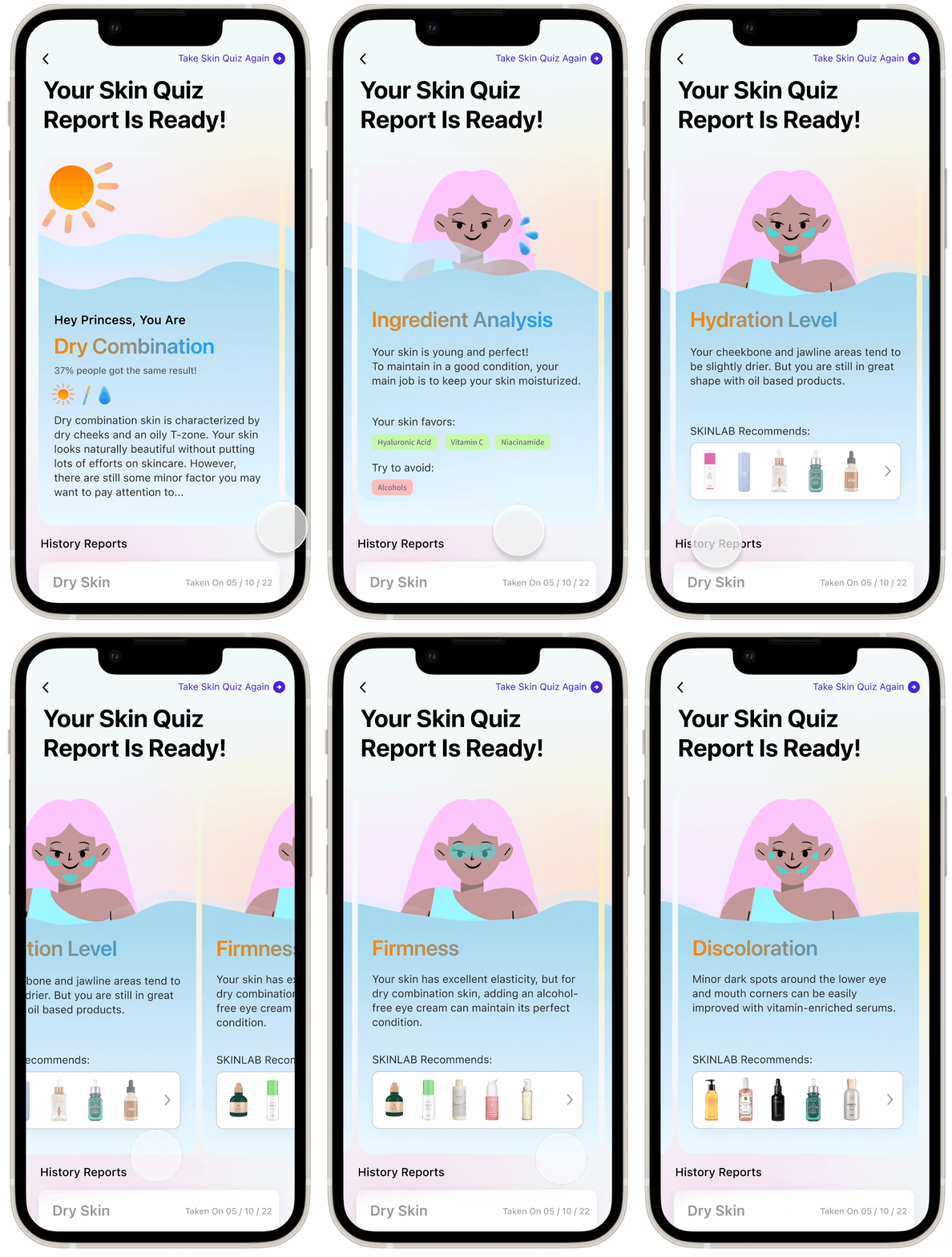
Report
FEATURE 2

Swipe to explore personalized analysis segments, including skin type, ingredient recommendations, hydration levels, firmness, and discoloration.
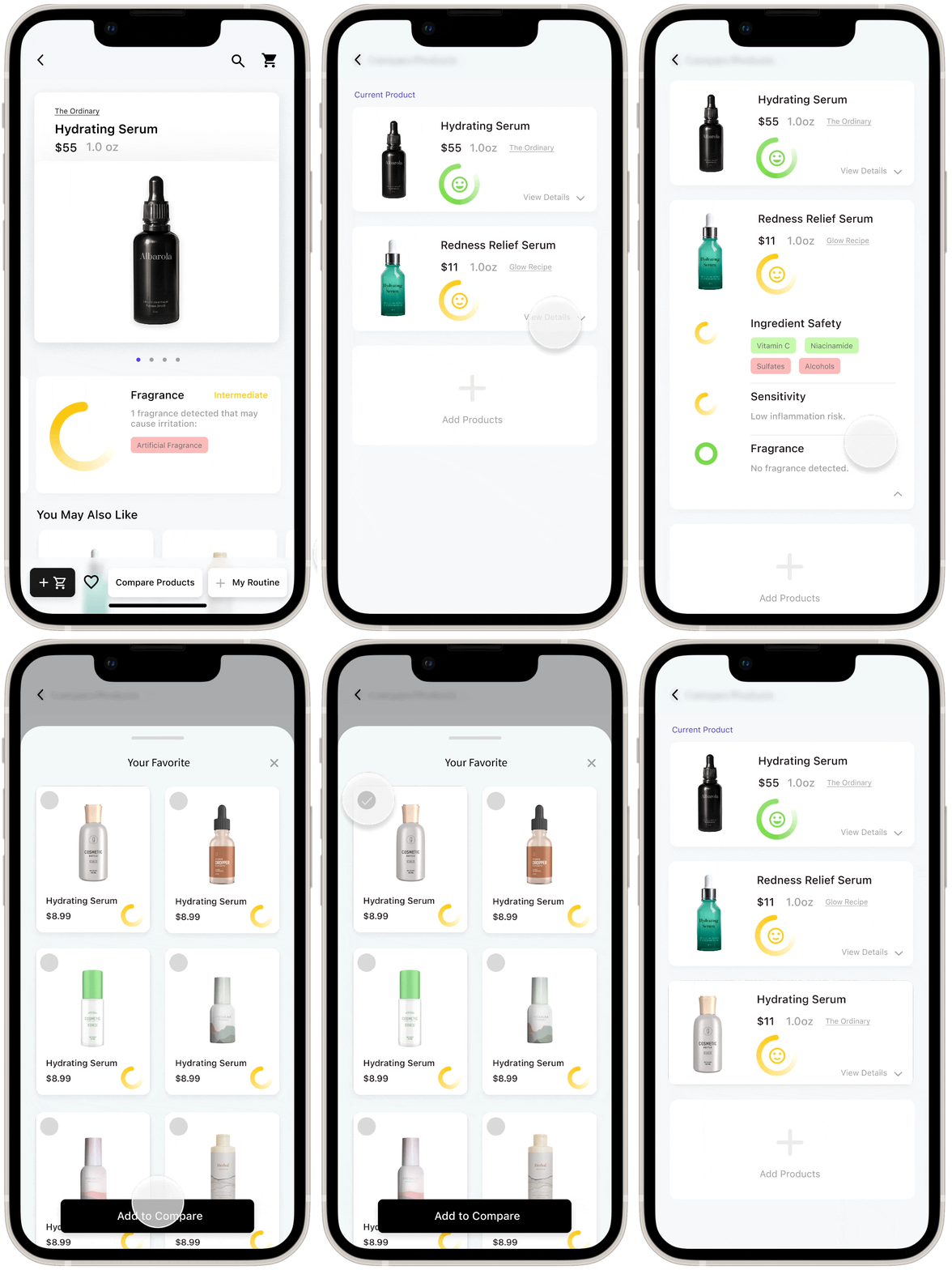
FEATURE 4
Product
Comparison
Use the personalized evaluation scale to discover the product that best suits your skin.
FEATURE 1
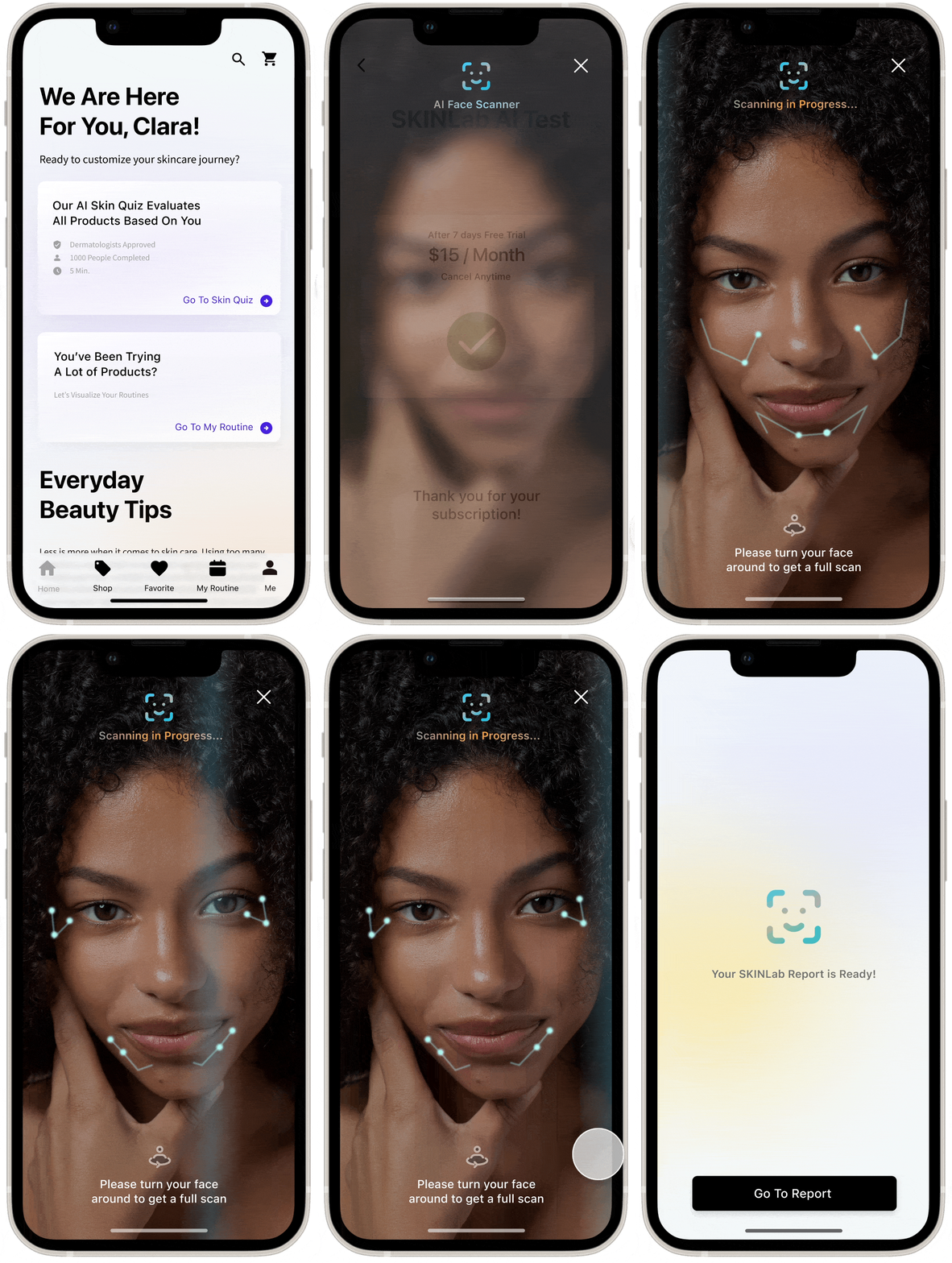
AI-Driven
Skin Profiling
Follow the instructions to allow the phone camera to capture facial views from multiple angles, utilizing multi-layer perceptron technology.
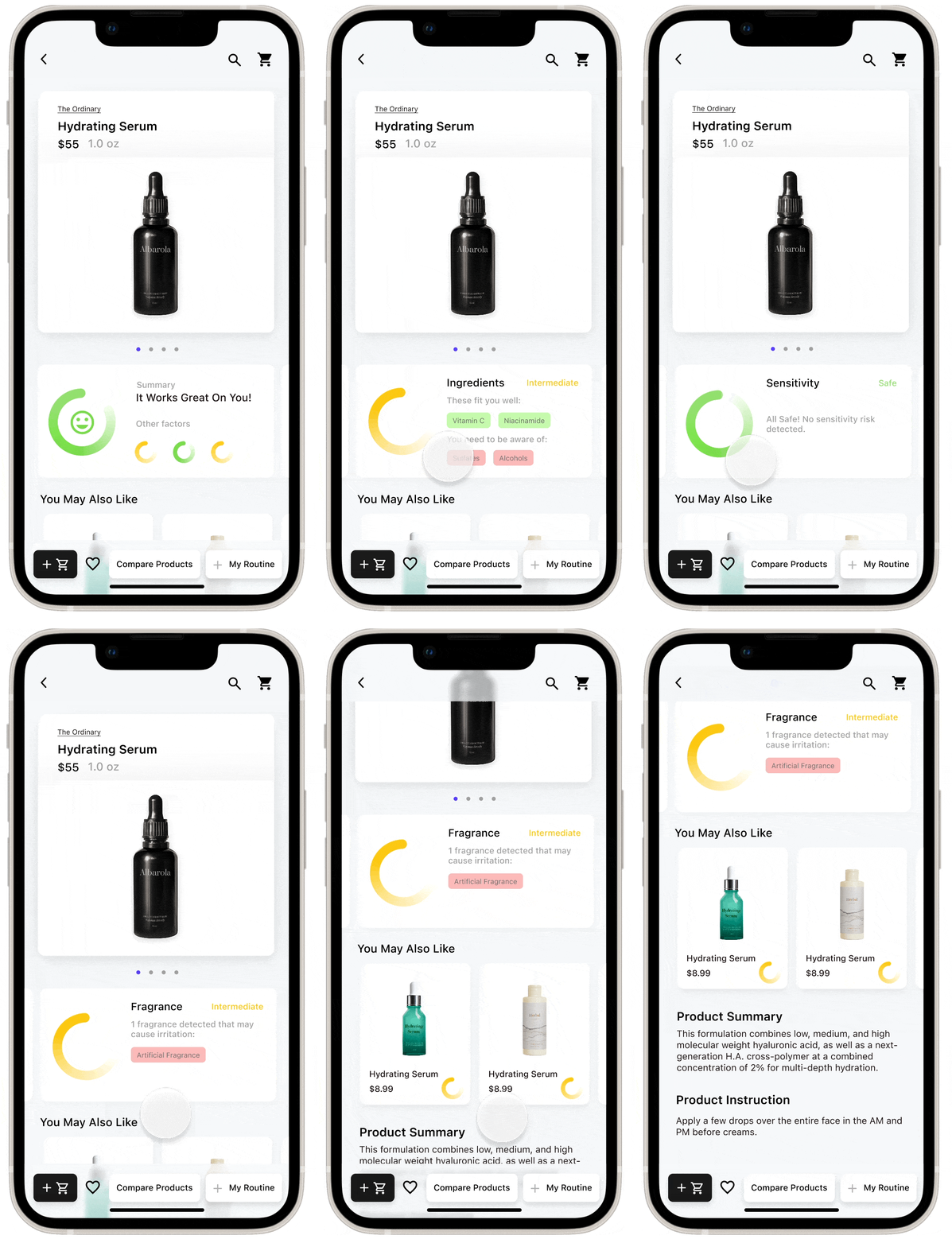
FEATURE 3
Personalized
Evaluation
After the skin assessment, all products will be evaluated on a scale to indicate how well they meet individual skin needs.
Discover & Define
Challenges in Today's Market
The global e-commerce return rate in the beauty and cosmetics sector reached 10% in 2022 and is projected to rise further in the coming years. The beauty market is undeniably saturated, offering consumers a vast array of products to choose from. Yet, many people remain dissatisfied with their purchases. Why is that?
Interviews
To explore the reasons behind consumer dissatisfaction, 47 beauty e-commerce users (38 women and 9 men, aged 20 to 43 with diverse skin conditions) were invited to discuss their shopping pain points and habits.

"It's frustrating to spend time researching ingredients and carefully choosing a product, only to discover it doesn’t work for you. You feel like you did everything right, but now you’re stuck returning it all over again."

"I have 100 products in my wishlist and can’t decide which one to buy. Everyone recommends ‘great products,’ but are they actually right for me?"
Affinity Wall
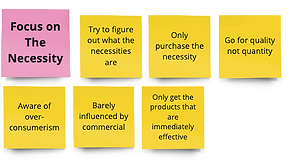
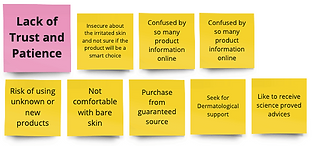
The affinity wall consolidated information from the interviews and revealed several recurring themes (on the left).
These themes helped clarify the main concerns of users (on the right).




Personas
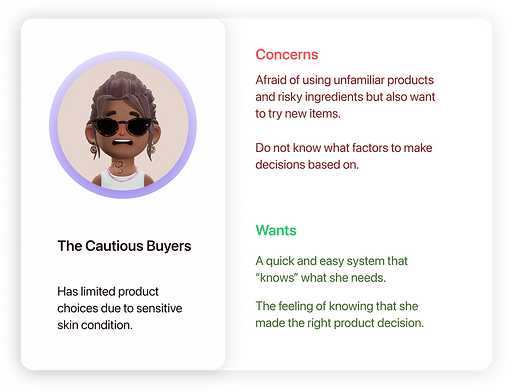
Through an in-depth analysis of consumer needs, two primary target customer groups emerged as requiring the most focus. These groups formed the foundation upon which the product MVPs would be developed.

A Peek Into The Current Products
The personas revealed that the product detail page was the primary source of frustration and confusion.
To address this, a competitor analysis of the three e-commerce platforms that were frequently used by the participants would provide valuable insights into gaps and areas needing improvement.
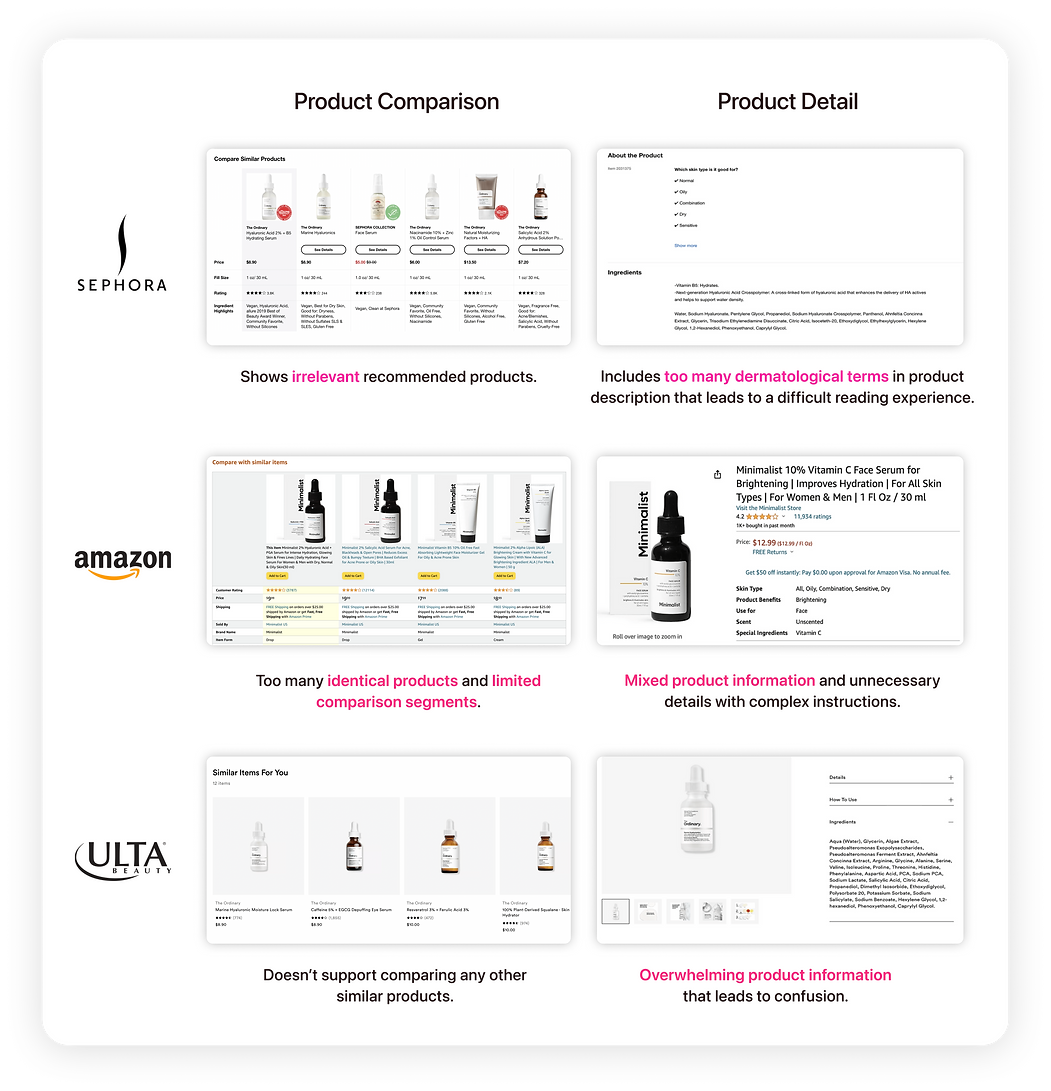
The key is to offer trustworthy advice to prevent decision fatigue and reduce hesitations.

Ideation
How MVPs were selected
The initial rough sketches of design opportunities helped refine and prioritize the MVP features.

Wireframes
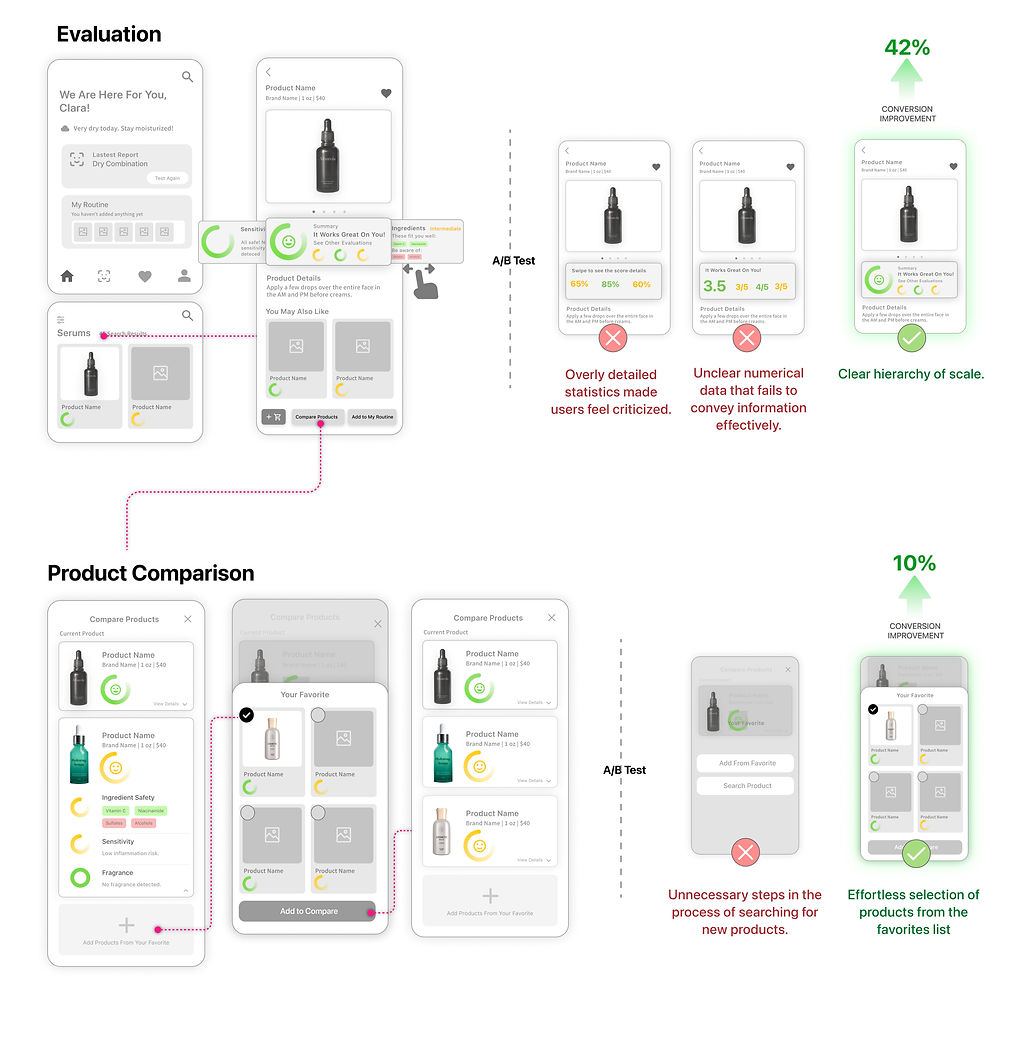
Final wireflows were selected based on A/B testing that focused on how user psychology influences interface design within the main features.

Design Guide
Design Guidelines

Results & Feedback
For key feature usability testing, I revisited 47 interviewees and received responses from 45 participants.
During the tests, users rated the app on a scale from 1 to 5, with ratings of 4.5 or higher indicating satisfaction. The goal of this testing was to evaluate whether SKINLab effectively addresses the major pain points identified in competing products.
26%
12 out of 47 participants expressed satisfaction.
Test result based on users' choices of their frequently used shopping app.

89%
40 out of 45 participants expressed satisfaction.
Test result based on Skinlab.

Reflections
Next Steps
The next step is to integrate the skin management and product comparison feature into existing e-commerce platforms as an add-on tool. This integration would involve embedding the feature as an optional tool on product pages or in the shopping cart, enabling users to compare products based on their unique skin needs. Additionally, leveraging APIs for data syncing and personalized recommendations will ensure a smooth, scalable experience.
bottom of page